
Contents
-
Monetary Policy Holds at 26.5%
-
Nigeria’s External Reserves Reach $52.73 Billion
-
Dangote Refinery Secures $2.5 Billion Expansion Investment
-
World Bank Commits $1.25 Billion to Nigeria’s Growth
-
Government to Measure Economic Progress Beyond GDP
-
Tax Ombud Office Begins Operations
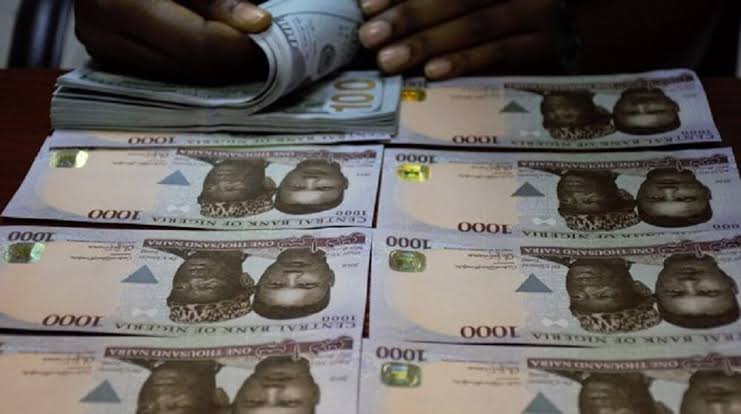
MONETARY POLICY HOLDS AT 26.5%

CBN Maintains Interest Rate to Sustain Economic Stability and Curb Inflation
The Central Bank of Nigeria (CBN) has left its benchmark Monetary Policy Rate (MPR) unchanged at 26.5 per cent, choosing caution over stimulus as policymakers continue to balance slowing inflation with growing uncertainty in the global economy.
The decision was announced after the July meeting of the Monetary Policy Committee (MPC), making it the second consecutive meeting in which the Bank has held rates steady. While Nigeria’s inflation rate moderated slightly to 15.91 per cent in June, the Committee expressed concern that rising geopolitical tensions, particularly the renewed conflict in the Middle East, could reverse recent gains by pushing up global oil prices and increasing imported inflation.
Addressing journalists after the meeting, CBN Governor Olayemi Cardoso said the Bank believes recent monetary reforms are beginning to restore confidence in the economy but warned that the progress remains fragile.
“Although headline inflation moderated marginally in June, global uncertainties have heightened due mainly to renewed hostilities in the Middle East. Maintaining a cautious monetary policy stance remains appropriate,” Cardoso said.
The decision was largely in line with market expectations. Economists had widely predicted that the Committee would maintain the current rate as it continues to assess the impact of previous tightening measures on inflation, exchange rate stability and investor confidence.
Financial analysts say the decision sends a reassuring message to both local and foreign investors that the apex bank remains focused on protecting the value of the naira and sustaining macroeconomic stability. Higher interest rates have also continued to support attractive yields on Treasury Bills, Federal Government Bonds and other fixed-income securities, making them increasingly appealing to investors seeking relatively low-risk returns.
However, businesses are expected to continue facing high borrowing costs, particularly small and medium-sized enterprises that rely heavily on commercial bank financing. Many economists believe lower lending rates will be necessary to stimulate investment and support private sector expansion, but only after inflation shows a sustained downward trend.
Some analysts have suggested that if inflation continues to decline over the coming months and exchange rate stability is maintained, the CBN may begin considering a gradual reduction in interest rates later this year. Until then, the Bank appears determined to prioritise economic stability over short-term growth.
For investors, the policy decision reinforces confidence in naira-denominated assets, while savers continue to benefit from relatively attractive returns on savings and investment products. Businesses, on the other hand, will likely continue operating in a high-interest-rate environment as policymakers work to bring inflation under control.
EXTERNAL RESERVES RISE
Nigeria’s foreign reserves climb to $52.73 billion as confidence returns to the foreign exchange market
Nigeria’s external reserves have continued their upward trajectory, reaching $52.73 billion, according to the Central Bank of Nigeria. The figure represents a 7.9 per cent increase from the $48.88 billion recorded at the beginning of the year and reflects growing confidence in the country’s economic reforms and foreign exchange management.
Speaking before the Senate Committee on Banking, Insurance and Other Financial Institutions, CBN Governor Olayemi Cardoso attributed the improvement to stronger policy coordination, increased foreign exchange inflows and renewed investor confidence following reforms introduced by the apex bank.
Perhaps even more significant was the sharp rise in Nigeria’s Net External Reserves, which increased from $3.99 billion in 2023 to more than $40 billion. The improvement suggests that the country’s reserve position has become substantially stronger, providing a larger financial cushion against external economic shocks and strengthening the CBN’s ability to manage exchange rate volatility.
Cardoso also highlighted the success of the ongoing Banking Sector Recapitalisation Programme, which has already attracted ₦4.65 trillion in fresh capital. The programme is expected to strengthen the banking industry, improve financial stability and increase the sector’s capacity to finance large-scale investments across the economy.
Members of the Senate Committee welcomed the improvement but urged the CBN to ensure that stronger banks translate into greater access to credit for productive sectors of the economy.
Committee Chairman, Senator Adetokunbo Abiru, noted that recapitalisation should not simply result in larger bank balance sheets but should ultimately improve financing for agriculture, manufacturing, technology, infrastructure and small businesses.
He warned that despite record capital raising, recent reports indicate that private sector lending has slowed, raising concerns that businesses may not yet be fully benefiting from the stronger banking system.
The steady growth in Nigeria’s reserves has strengthened investor confidence at a time when many emerging economies continue to face foreign exchange pressures. Higher reserves also improve the country’s ability to meet external obligations, stabilise the naira and reassure international investors that Nigeria remains committed to sound macroeconomic management.
DANGOTE REFINERY EXPANDS.

Africa’s largest refinery secures $2.5 billion investment to double production capacity and strengthen regional energy security.
Dangote Petroleum Refinery has secured $2.5 billion in fresh investment to finance one of the most ambitious expansion projects in Africa’s energy sector. The financing, announced in July, will enable the company to increase refining capacity from approximately 650,000 barrels per day to 1.4 million barrels per day by 2028, positioning the facility among the largest refineries in the world.
The investment package includes support from the Africa Finance Corporation (AFC) and an investment vehicle facilitated by the African Export-Import Bank (Afreximbank). According to the company, the fundraising exercise attracted overwhelming investor interest and was oversubscribed by almost four times, reflecting growing confidence in Nigeria’s industrial sector and the long-term prospects of the refinery.
The refinery, which began full commercial operations earlier this year after years of construction and investment, has already transformed Nigeria’s downstream petroleum industry. For decades, Africa’s largest crude oil producer relied heavily on imported refined petroleum products despite producing millions of barrels of crude oil every day. The Dangote Refinery has significantly reduced that dependence by supplying petrol, diesel, aviation fuel and other refined products to the domestic market.
Industry experts believe the expansion will further strengthen Nigeria’s energy security while positioning the country as a major exporter of refined petroleum products across Africa. The refinery has already become one of the world’s largest exporters of aviation fuel and is expected to play an increasingly important role in supplying neighbouring countries under the African Continental Free Trade Area (AfCFTA).
Beyond refining crude oil, Dangote Industries is also expanding into petrochemicals, with plans to increase production of polypropylene used in the manufacturing of food packaging, textiles, automotive parts and household products. The expansion is expected to stimulate industrial development, create thousands of jobs across the value chain and reduce Nigeria’s dependence on imported industrial raw materials.
Analysts believe the successful fundraising demonstrates renewed international confidence in Nigeria’s private sector despite ongoing global economic uncertainty. Many have described the transaction as one of the largest private equity investments ever completed on the African continent, highlighting the increasing willingness of institutional investors to finance large-scale infrastructure projects in Nigeria.
The refinery is also widely expected to proceed with a public listing on the Nigerian Exchange later this year, a move that could become the largest Initial Public Offering (IPO) in Africa’s history. If successful, the listing would further deepen Nigeria’s capital market while providing local and international investors with an opportunity to participate in one of Africa’s most significant industrial enterprises.
For Nigeria’s economy, the continued expansion of domestic refining capacity represents more than just increased fuel production. It signals a gradual shift from exporting raw commodities to producing higher-value finished products locally, creating stronger industrial linkages and improving the country’s long-term economic resilience.
WORLD BANK BACKS GROWTH
$1.25 billion financing package aims to accelerate job creation, infrastructure development and private sector investment.
The World Bank has approved a $1.25 billion financing package for Nigeria alongside its new 2026–2032 Country Partnership Framework, reaffirming its commitment to supporting the country’s long-term economic transformation.
The new partnership framework focuses on expanding private sector investment while addressing some of Nigeria’s most pressing development challenges, including electricity access, digital infrastructure, healthcare, agriculture and job creation. Rather than relying solely on public spending, the programme is designed to unlock private capital and encourage sustainable economic growth driven by businesses and entrepreneurs.
According to the World Bank, the initiative is expected to expand electricity access to more than 32 million Nigerians, improve broadband connectivity for approximately 58 million people, strengthen healthcare and nutrition services for over 40 million citizens, and provide improved agricultural support to nearly 9.5 million farmers across the country.
The financing package also supports reforms aimed at modernising Nigeria’s digital economy, improving access to finance, strengthening capital markets and increasing domestic revenue generation. Particular attention is being given to improving the business environment by removing structural bottlenecks that have historically discouraged investment.
The World Bank noted that Nigeria’s recent economic reforms, including efforts to improve foreign exchange management and strengthen public finances, have helped restore investor confidence and improve macroeconomic stability. However, the institution stressed that sustained economic growth will depend on creating jobs, expanding productive industries and ensuring that economic gains translate into improved living standards.
Economists have welcomed the financing package, describing it as an important vote of confidence in Nigeria’s reform agenda. They believe improved infrastructure and increase private investment could significantly boost productivity across key sectors including manufacturing, agriculture, technology and renewable energy.
The programme also aligns with Nigeria’s broader objective of reducing unemployment and improving economic inclusion by creating opportunities for young people and supporting small businesses. With one of the fastest-growing populations in the world, expanding productive employment remains one of the country’s biggest economic priorities.
While development financing alone cannot solve Nigeria’s economic challenges, experts agree that strategic investments in infrastructure, digital connectivity and agriculture can create the foundation for stronger long-term growth and attract even greater levels of private investment in the years ahead.
NEW ECONOMIC SCORECARD

Federal Government introduces new performance indicators to measure the real impact of economic reforms on Nigerians.
The Federal Government has announced plans to introduce a new national economic scorecard that will measure the success of economic reforms using indicators that go beyond Gross Domestic Product (GDP) growth.
The announcement was made by the Minister of Finance and Coordinating Minister of the Economy, Mr. Taiwo Oyedele, who said the new framework is intended to demonstrate whether ongoing reforms are producing meaningful improvements in the lives of ordinary Nigerians.
Rather than focusing exclusively on economic output, the scorecard will evaluate progress using three key indicators: reductions in multidimensional poverty, increases in real income per capita and lower levels of income inequality. The move represents a significant shift towards measuring inclusive growth rather than simply reporting headline economic statistics.
The initiative comes as the Federal Government seeks to address public concerns over the impact of recent reforms, including fuel subsidy removal and foreign exchange liberalisation. While these measures have attracted praise from international financial institutions for improving fiscal sustainability and investor confidence, many Nigerians continue to experience high living costs driven by inflation, transport expenses and food prices.
Speaking at a business conference in Lagos, Oyedele acknowledged that macroeconomic improvements alone cannot be considered a complete measure of success if they do not improve household welfare.
He noted that although inflation has begun to moderate, investor confidence is gradually returning and the foreign exchange market has become more stable, government policy must ultimately be judged by its ability to improve living standards and reduce poverty.
Development economists have welcomed the proposal, noting that many advanced economies increasingly assess national progress using broader social indicators rather than GDP alone. By tracking income growth, poverty reduction and economic inequality, policymakers will be better positioned to evaluate whether reforms are delivering tangible benefits to citizens.
The initiative is also expected to improve transparency by providing regular updates on the country’s social and economic progress, helping businesses, investors and development partners better understand the long-term impact of government policies.
TAX OMBUD BEGINS WORK

Independent office launches to strengthen taxpayer protection and improve confidence in Nigeria’s tax administration.
Nigeria has formally commenced operations of the Office of the Tax Ombud, marking an important milestone in the country’s ongoing tax reforms aimed at improving transparency, accountability and taxpayer confidence.
Established under the Joint Revenue Board (Establishment) Act 2025, the independent institution has been created to resolve complaints arising from tax administration, mediate disputes between taxpayers and tax authorities, and ensure fairness in the application of tax laws.
Speaking during an executive breakfast session with senior business editors in Lagos, the Chief Executive and Tax Ombud, Dr. John Nwabueze, explained that the office would provide businesses and individuals with an independent platform for resolving complaints without immediately resorting to lengthy and expensive court proceedings.
According to Nwabueze, the Tax Ombud will not replace existing institutions such as the Tax Appeal Tribunal or the courts. Instead, its primary responsibility is to promote administrative fairness by investigating complaints relating to delays, procedural errors, poor service delivery and other issues affecting taxpayers.
The establishment of the office comes at a time when the Federal Government is implementing comprehensive tax reforms designed to expand the country’s revenue base while encouraging greater voluntary tax compliance. Officials believe that building trust between taxpayers and government institutions will be essential to achieving these objectives.
To improve accessibility, the Tax Ombud announced plans to launch a dedicated digital complaints portal and customer support centre that will allow taxpayers to submit complaints, monitor the progress of investigations and receive guidance on tax-related issues from anywhere in the country.
Business groups have welcomed the initiative, describing it as an important step towards creating a more transparent and investor-friendly tax environment. Many believe that an independent dispute resolution mechanism will reduce uncertainty, improve compliance and strengthen confidence among both local businesses and foreign investors.
As Nigeria continues implementing fiscal reforms, the success of the Tax Ombud will largely depend on its ability to operate independently, resolve disputes efficiently and build public confidence in the country’s tax administration. A transparent and predictable tax system remains one of the key ingredients for attracting investment, supporting business growth and strengthening government revenue over the long term.
BORROW SMART, GROW STRONG

The right loan can help you achieve your goals, grow your business and build a stronger financial future.
For many people, the word loan is often associated with debt and financial pressure. However, when used responsibly, a loan is one of the most powerful financial tools available. Around the world, individuals and businesses use loans to invest in opportunities, solve short-term financial needs and achieve long-term goals that may otherwise take years to accomplish.
Whether you are expanding your business, paying school fees, purchasing essential equipment, renovating your home or managing unexpected expenses, access to timely financing can make all the difference. Rather than postponing important plans due to limited cash flow, a well-structured loan allows you to move forward while spreading repayment over a manageable period.
For entrepreneurs and business owners, access to credit is often the bridge between an idea and a successful enterprise. A loan can be used to purchase inventory, acquire machinery, hire staff, expand operations or meet seasonal demand. When invested wisely, borrowed funds can generate returns that exceed the cost of borrowing, helping businesses grow faster and become more competitive.
Personal loans also provide flexibility during important life moments. Whether you are planning a wedding, funding professional development, covering medical expenses or handling emergency repairs, having access to reliable financing can provide peace of mind without
At Centrum Finance, we understand that every customer has unique financial needs. That is why we provide flexible loan solutions designed to support individuals, professionals and businesses with quick processing, competitive rates and a customer-focused approach. Our goal is not simply to provide financing but to help our customers move confidently toward their personal and business aspirations.
Let Centrum Finance Help You Achieve More Your goals deserve the right financial partner. Whether you’re growing a business, funding an important project or managing life’s opportunities, we’re here to provide the support you need.
Contact us today to learn more about our flexible loan solutions.
Phone: +234 9166 6773 📧 Email: customerservice@centrumfinanceltd.com
Centrum Finance
…Your Growth Partner
SOURCES: Nariametrics, Businessday, istock images, Shutterstock, Punch newspaper, Reuters, Guardian News, ICIR Nigeria, Premium Times, Leadership News, Vanguard News, Daily Times Nigeria, Linda Ikeji’s Blog, Finance in Africa, Daily Post, Terrapass, Agora Policy, Nairaland.
DISCLAIMER
This publication is produced by Centrum Finance Company Limited solely for the information of users who are expected to make their own investment decisions without undue reliance on any information or opinions contained herein. The opinions contained in the report should not be interpreted as an offer to sell, or a solicitation of any offer to buy any investment. Whilst every care has been taken in preparing this document, no responsibility or liability is accepted by any member of the Company for actions taken because of the information provided in this publication.