

Contents:
-
Nigeria’s Commercial Bank Recapitalization
-
Economic Outlook
-
Monetary Reforms
-
Fuel Price Surge
-
Oil & Energy Sector
-
FX Market Reforms
-
Government Finance & Debt
Nigeria’s Commercial Bank Recapitalization
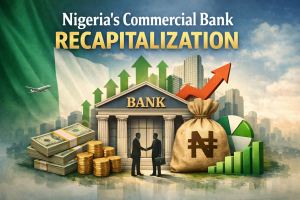
You may have heard that Nigerian banks are being asked to increase their capital. But what does this really mean, and how does it affect you?
Let’s break it down.
What is Bank Recapitalization?
Recapitalization refers to the process of increasing a bank’s capital base to improve its financial strength, absorb shocks, and support larger lending activities.
For Nigeria, this means requiring banks to hold significantly higher minimum capital to remain operational under their respective licenses.
Key Highlights of the 2024 Recapitalization Policy
The CBN introduced new minimum capital requirements effective from April 1, 2024, with a compliance deadline of March 31, 2026.
New Capital Requirements
- ₦500 billion – Commercial banks with international licenses
- ₦200 billion – Commercial banks with national licenses
- ₦50 billion – Regional commercial banks
- ₦50 billion – Merchant banks
- ₦20 billion / ₦10 billion – Non-interest banks (national/regional)
Unlike previous frameworks, only paid-up capital and share premium count toward this requirement.
Several banks have already met the recapitalization targets, strengthening the sector’s resilience. For example:
- Access Bank, GTBank, and Zenith Bank have surpassed the ₦200 billion national license requirement.
- UBA and Fidelity Bank are among those fully compliant with the new figures.
- Regional and merchant banks, as well as non-interest banks, are also steadily meeting their targets.
Why is This Happening Now?
Nigeria’s economy is growing and evolving, and banks need to be strong enough to support bigger opportunities.
With more capital, banks can:
- Finance larger businesses and projects
- Support economic growth
- Better withstand financial challenges
In simple terms, stronger banks = a stronger economy
What Will Change in the Banking Sector?
Over the next couple of months, you may notice:
- Banks raising funds from investors
- Mergers or partnerships between some banks
- A shift toward stronger, more stable financial institutions
This doesn’t mean banks are in trouble. It simply means they are preparing for the future.
As a customer, this is actually a positive development:
- Your money is safer with stronger banks
- More access to loans for individuals and businesses
- Better financial services as banks grow and improve
Should You Be Concerned?
Not at all.
This is a planned and structured move by the Central Bank of Nigeria to strengthen the financial system.
Your banking experience will continue as usual, and in the long run, you can expect better and more reliable services.
Final Thoughts
Bank recapitalization is all about building a stronger financial system that works better for everyone.
While most of the changes are happening behind the scenes, the impact will be felt in a more stable economy, improved services, and greater financial opportunities for individuals and businesses.
Economic Outlook

Inflation trends and what they mean for businesses and households
Nigeria’s inflation trend continues to show signs of gradual stability, although short-term price pressures remain evident across key sectors of the economy.
Recent data from the National Bureau of Statistics indicates that headline inflation eased to 15.06% year-on-year in February 2026, down slightly from 15.1% recorded in January. This marks the eleventh consecutive month of disinflation and represents the lowest level since late 2021, reflecting improvements in foreign exchange stability, easing energy costs, and the statistical impact of the Consumer Price Index rebasing conducted in 2025.
Despite this positive trend, analysts project that inflation may edge up to approximately 15.24% in March 2026, signalling that price pressures have not been fully eliminated.
On a month-on-month basis, inflation accelerated to 2.01% in February, a notable increase from the -2.88% recorded in January. This indicates that while annual inflation is slowing, prices are still rising at a faster pace in the short term.
A key driver of this trend remains food inflation, which continues to exert significant pressure on household spending. Although food inflation declined to 12.12% year-on-year, it recorded a sharp 4.69% increase month-on-month, driven by rising prices of staple items such as beans, cassava, yam flour, millet, and crayfish. These increases are largely linked to supply chain disruptions, seasonal factors, and rising transportation costs.
Other sectors also contributed to the upward pressure on prices, with increases recorded in transportation, housing and utilities, as well as restaurants and accommodation services.
Additionally, global developments are beginning to feed into domestic prices. Ongoing geopolitical tensions, particularly in key oil-producing regions, have pushed up global crude oil prices, leading to higher fuel costs locally. This has further increased the cost of transportation and logistics, ultimately affecting the prices of goods and services across the economy.
Overall, while Nigeria’s inflation trajectory reflects improving macroeconomic stability, the persistence of food price pressures and rising energy costs suggests that households and businesses may continue to face cost challenges in the near term.
Monetary Reforms
CBN inflation targeting, FX reforms, and rising investor confidence
Nigeria’s monetary authorities are taking more decisive steps to strengthen macroeconomic stability, with a renewed focus on controlling inflation and restoring investor confidence in the financial system.
The Central Bank of Nigeria (CBN) has reaffirmed its commitment to transitioning toward a full inflation-targeting framework, with a medium-term goal of bringing inflation within a 6–9% range. This marks a significant shift toward a more structured and forward-looking monetary policy approach.
According to the Bank, inflation targeting is expected to:
- Improve transparency and policy credibility
- Anchor market expectations
- Reduce the impact of external and supply-side shocks
- Support long-term investment planning
This shift is being supported by a series of ongoing reforms designed to stabilise both the monetary and financial systems.
A key development is the CBN’s move back to orthodox monetary policy tools, alongside a gradual withdrawal from quasi-fiscal interventions. At the same time, the Bank has introduced major foreign exchange reforms, including exchange rate unification and the adoption of more transparent electronic trading systems. These measures have helped improve liquidity and price discovery in the FX market.
Further strengthening the financial system, the CBN highlighted progress in the bank recapitalisation programme, with a significant number of Nigerian banks already meeting the new capital requirements. Notably, a portion of this recapitalisation has been supported by foreign investment, reflecting renewed confidence in the country’s banking sector.
In addition, the Bank emphasised improved coordination with fiscal authorities, stronger regulatory oversight, and enhanced institutional independence as critical pillars supporting overall economic stability.
Complementing these efforts, the CBN has also introduced new policies to deepen the foreign exchange market. A recent directive now allows International Oil Companies to repatriate 100% of their export proceeds, a move aimed at improving FX liquidity, attracting investment, and enhancing market efficiency.
The apex bank noted that Nigeria’s foreign exchange market is now more transparent and resilient, supported by increased diaspora remittances and reforms that have simplified trade and investment processes.
These combined measures have already contributed to a significant decline in inflation levels over the past year, alongside improved exchange rate stability.
Looking ahead, the CBN maintains that policy discipline, credibility, and consistency will be critical to sustaining these gains. While progress has been made, the Bank acknowledged that external shocks, particularly from global commodity markets, remain a key risk to the outlook.
Overall, Nigeria’s ongoing monetary and financial sector reforms signal a stronger, more resilient economic framework, positioning the country for sustained stability and long-term growth.
Fuel Price Surge

How global conflict and local market realities are driving costs higher
Nigeria has recorded one of the sharpest increases in petrol prices globally in March 2026, highlighting the combined impact of international crises and domestic market reforms on the country’s energy landscape.
Recent data shows that petrol prices in Nigeria rose by approximately 39.5% within a few weeks, placing it among the highest increases recorded worldwide during the period. This surge has pushed pump prices to between ₦1,130 and ₦1,350 per litre, depending on location and marketer.
Global Crisis Driving Oil Prices Up
A major factor behind the increase is the ongoing geopolitical tension in the Middle East, particularly the Strait of Hormuz crisis 2026, which has disrupted global oil supply chains.
The Middle East remains a critical hub for global crude oil production and shipping. Any instability in the region:
- Raises concerns about supply disruptions
- Increases shipping, freight, and insurance costs
- Pushes global crude oil prices higher
As a result, crude oil prices have climbed to multi-year highs, exceeding $100 per barrel. Even though Nigeria is an oil-producing nation, it is not insulated from these global price movements.
Why Nigeria Feels the Impact More
While global factors triggered the surge, local conditions have amplified its effect.
- Deregulated Pricing System
Following the removal of fuel subsidies, petrol prices are now fully market-driven. This means:
- Prices respond immediately to global oil price changes
- Consumers bear the full cost of supply and distribution
- Exchange Rate Pressure
Fuel transactions are largely dollar-denominated. With fluctuations in the naira:
- Importation costs increase
- Pricing becomes more volatile
- Local Refining Still Tied to Global Markets
Despite the operational scale of the Dangote Refinery, local fuel prices remain influenced by international benchmarks.
According to refinery management, the facility:
- Purchases crude oil at global market prices
- Is affected by rising freight and insurance costs
- Faces supply constraints in sourcing preferred crude grades locally
In some cases, the refinery has had to source crude from international markets at a premium, further increasing production costs.
A Broader Cost-of-Living Impact
The rise in fuel prices is having widespread effects across the economy:
- Transportation costs have increased significantly
- Food prices are rising due to higher logistics expenses
- Business operating costs are climbing, especially for SMEs
- Household disposable income is being squeezed
Industry experts have described the situation as a “cost-of-living crisis”, as energy costs continue to affect nearly every sector of the economy.
Why Prices May Remain High
Even if global tensions ease, the impact on fuel prices may not reverse immediately.
Supply chain disruptions, elevated shipping costs, and existing market adjustments mean that:
- Price corrections may take time
- Volatility could persist in the short term
Additionally, Nigeria’s ongoing transition to a fully deregulated market means fuel prices will continue to reflect real-time economic conditions rather than controlled pricing.
The recent surge in fuel prices reflects a complex interaction between global geopolitical events and domestic economic reforms. While international conflicts have pushed oil prices higher, Nigeria’s market-driven pricing system has amplified the local impact.
As the country continues to adjust to a deregulated energy market, fuel prices are expected to remain sensitive to global developments, reinforcing the need for resilience among households and businesses.
Oil & Energy Sector

High global prices, but declining domestic output
Despite a surge in global crude oil prices, Nigeria’s oil sector is struggling to keep up, highlighting a persistent gap between potential and performance. February 2026 data from the Nigerian Upstream Petroleum Regulatory Commission (NUPRC) shows that crude oil production fell to 1.483 million barrels per day (bpd), down 9% from January’s 1.627 million bpd. Compared to the same period last year, production is about 11% lower, a clear sign that structural challenges continue to weigh heavily on the sector.
These figures also mean that Nigeria is still falling short of its 2026 budget production target of 1.8 million bpd, despite the fact that global oil prices have remained above $100 per barrel in recent weeks.
Industry insiders point to several long-standing issues that continue to restrict output. Aging infrastructure limits operational efficiency, while oil theft and pipeline vandalism, particularly in the Niger Delta, remain significant obstacles. Technical and operational constraints across production facilities further exacerbate the problem. Together, these factors prevent Nigeria from fully capitalising on favourable market conditions.
The implications for the economy are significant. Reduced oil output, even amid high global prices, means lower potential revenue for the government and diminished foreign exchange inflows, which could affect currency stability. Oil continues to be a major pillar of national income, so production shortfalls place additional pressure on fiscal planning. Yet, there is a silver lining: global demand for Nigerian crude remains strong, and its quality continues to attract premium pricing in international markets.
Looking ahead, there are signs of proactive steps to strengthen production capacity. The NUPRC has advanced its 2025 oil block licensing round, shortlisting investors for 50 oil blocks. Successful applicants will gain access to geological and technical data and move forward with commercial and technical bid submissions. This initiative is expected to attract investment, improve production capacity, and provide a more sustainable foundation for the sector’s growth.
Nigeria finds itself in a delicate balancing act. High global prices offer an unparalleled revenue opportunity, yet domestic production limitations keep the country from fully benefitting. Experts stress that addressing infrastructure gaps, enhancing security, and attracting consistent investment will be critical for reversing the decline.
As one of the cornerstones of the Nigerian economy, the oil sector holds immense promise. The current challenges, however, underscore the urgent need for systemic reforms to ensure that favourable global conditions translate into tangible gains at home, strengthening revenues, supporting the naira, and contributing to overall economic stability.
FX Market Reforms
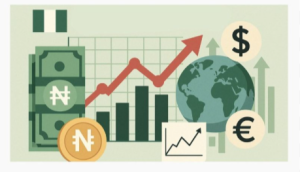
Building liquidity and strengthening investor confidence
Nigeria’s foreign exchange market is in the midst of a notable transformation, driven by policy reforms designed to boost liquidity, enhance transparency, and restore investor confidence. These measures are gradually reshaping the landscape, making it more attractive to both domestic and international investors.
A major development in March 2026 came from the Central Bank of Nigeria (CBN), which approved a policy allowing International Oil Companies (IOCs) to repatriate 100% of their export proceeds through authorised dealer banks. This represents a significant shift from previous guidelines that required oil companies to hold a portion of their earnings within the domestic financial system for a fixed period. By giving oil companies more flexibility in accessing their funds, the CBN aims to stimulate higher foreign exchange inflows, improve market liquidity, and make FX transactions more efficient.
This move is part of a broader reform agenda designed to stabilise Nigeria’s FX market. In recent months, the CBN has pursued exchange rate unification to reduce distortions, introduced electronic trading platforms for improved transparency, and simplified procedures for trade and investment flows. These measures have contributed to better price discovery and lower volatility, helping to build a more predictable and reliable market environment.
The impact of these reforms is already evident. Investor confidence is gradually returning, supported by increased foreign participation in bank recapitalisations, rising diaspora remittances bolstering external reserves, and more consistent policy communication from regulators. Together, these factors signal that international investors and development partners are taking renewed interest in Nigeria’s economic direction.
A more liquid and stable FX market brings tangible benefits for the broader economy. Businesses now have improved access to foreign exchange, making international trade and investment smoother. Greater stability in the exchange rate enhances planning and reduces uncertainty, while stronger reserves position the country to better withstand external shocks, particularly fluctuations in global oil markets.
While challenges remain, Nigeria’s ongoing reforms indicate a deliberate move toward a more open, transparent, and market-driven FX system. If sustained, these efforts could lay the foundation for lasting economic stability, attracting investment and strengthening confidence in the country’s financial system for the months and years ahead.
Government Finance & Debt
Public bonds, borrowing strategy, and fiscal pressures
In March 2026, the Federal Government of Nigeria moved to raise ₦750 billion from the domestic debt market, signalling its continued effort to finance fiscal obligations amid a challenging economic environment. According to the Debt Management Office (DMO), the offering comprises three re-opened bond instruments:
- ₦250 billion for the 17.945% FGN August 2030 bond
- ₦200 billion for the 17.95% FGN June 2032 bond
- ₦300 billion for the 19.89% FGN May 2033 bond
The auction is scheduled for March 30, 2026, with settlement expected on April 1, 2026.
This issuance represents a slightly more measured approach compared to February 2026, when ₦800 billion was offered. The ₦50 billion reduction reflects a more cautious borrowing strategy, influenced by improved liquidity conditions in the financial system, higher oil prices supporting government revenue, and ongoing efforts to manage rising debt servicing costs.
Despite the smaller size, interest rates remain elevated. Coupon rates range between 17.9% and 19.89%, highlighting persistent inflationary pressures and tight monetary conditions. Even as the Central Bank of Nigeria signals a gradual shift toward monetary easing, borrowing costs for the government continue to be significant, reflecting the ongoing tension between financing needs and fiscal sustainability.
The implications of these dynamics for the broader economy are mixed. On the positive side, a robust domestic debt market supports government financing needs, and investor participation remains strong, demonstrating confidence in government securities. On the other hand, high interest rates increase the debt servicing burden, leaving a large portion of revenue allocated to interest payments and limiting fiscal space for critical capital expenditure.
Looking ahead, the sustainability of domestic borrowing will depend on continued revenue growth from both oil and non-oil sources, effective debt management strategies, and a gradual easing of interest rates over time.
The March bond issuance underscores the delicate balance the government must strike: financing economic priorities while ensuring long-term debt sustainability. Investor appetite remains strong, but the elevated cost of borrowing serves as a reminder of the need for fiscal discipline and consistent revenue generation to support Nigeria’s economic ambitions.
SOURCES: Nariametrics, Businessday, istock images, Shutterstock, Punch newspaper, Reuters, Guardian News, ICIR Nigeria, Premium Times, Leadership News, Vanguard News, Daily Times Nigeria, Linda Ikeji’s Blog, Finance in Africa, Daily Post, Terrapass, Agora Policy.
DISCLAIMER
This publication is produced by Centrum Finance Company Limited solely for the information of users who are expected to make their own investment decisions without undue reliance on any information or opinions contained herein. The opinions contained in the report should not be interpreted as an offer to sell, or a solicitation of any offer to buy any investment. Whilst every care has been taken in preparing this document, no responsibility or liability is accepted by any member of the Company for actions taken because of the information provided in this publication